

The real divide in 2026 was not the market. It was a decision.
Some operators decided they were done losing money.
That single mindset shift changed how they planned, how they cut, and how they invested. Growth became secondary. Profitability became non-negotiable.
Going into 2026, that distinction matters more than any new tactic.
Stop Planning From Revenue
A lot of businesses still plan the same way.
Set a revenue target. Back into leads. Hope margin shows up at the end.
The operators who held up flipped the order.
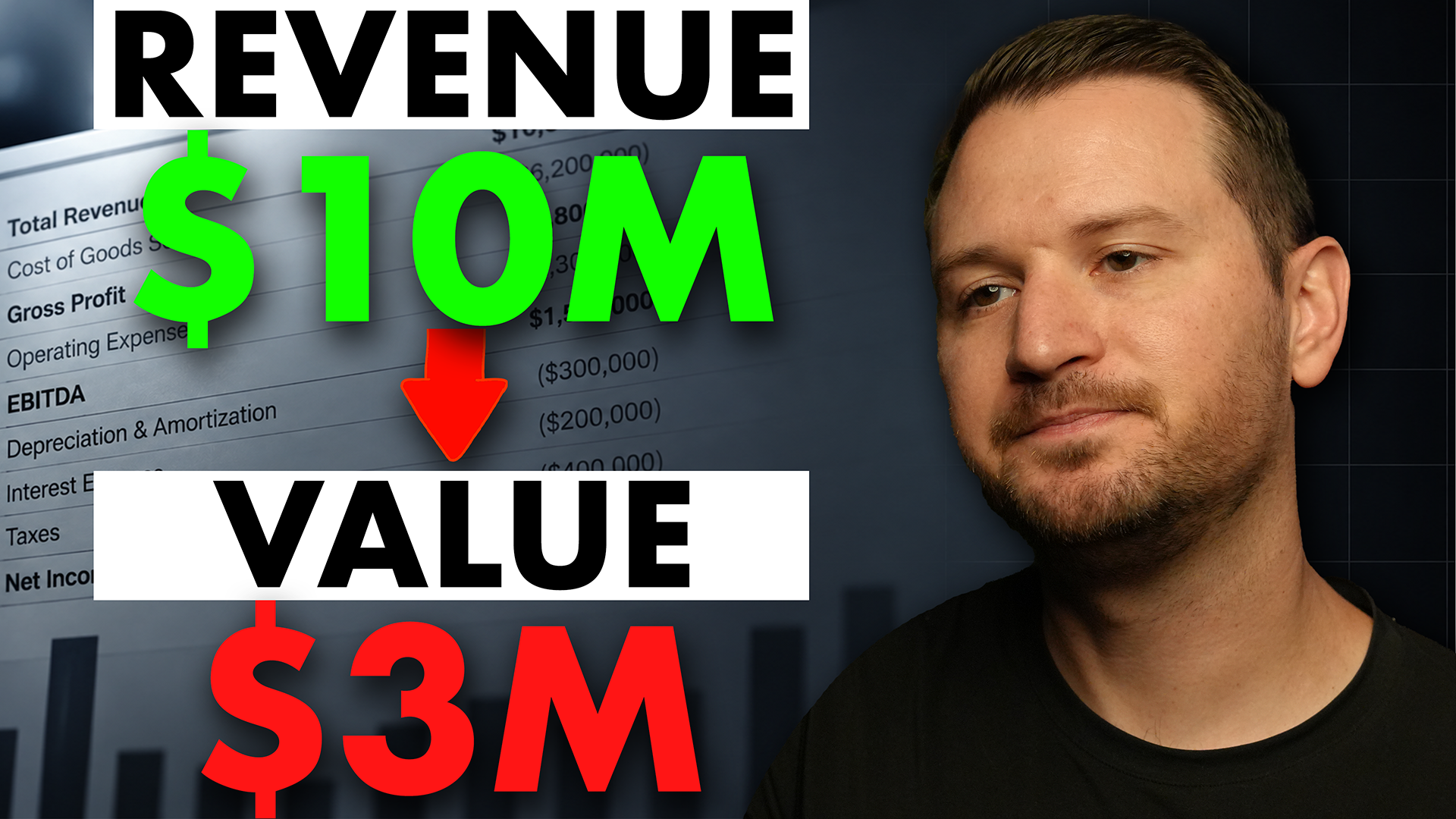
They started with EBITDA, then worked backward. Not as a vague goal, but as a constraint that forced real tradeoffs. If profit had to improve, something had to change. Immediately.
That meant fewer “we’ll fix it later” decisions and more uncomfortable ones now.
Budgets stopped being aspirational. They became enforceable.
EBITDA Is Built, Not Turned On
One of the most dangerous assumptions is that profitability can be switched on when things improve.
It cannot.
EBITDA compounds slowly through dozens of small decisions that rarely feel important on their own. Over time, they decide whether a business has runway or not.
The operators who improved margins focused on fundamentals like:
- Cutting inconsistent marketing spend, even if it occasionally hit home runs
- Auditing software licenses and user counts that quietly grew out of control
- Renegotiating vendors early, knowing savings take months to show up
- Tracking cancellation rates and fulfillment efficiency, not just lead volume
- Fixing material overbilling and rebate leakage that had gone unnoticed
None of this was exciting. All of it worked.
Consistency Beat Optimization
Many teams spent years chasing optimization.
New channels. New tools. New experiments layered on top of old ones.
In a tighter market, that approach broke down.
The operators who stabilized did the opposite. They removed volatility. Anything that produced wildly different results month to month became suspect, even if the annual ROI looked fine.
Predictability became the priority.
When cash flow stabilized, everything else got easier. Planning improved. Stress dropped. Decisions became mechanical instead of emotional.
Profit Created Optionality
The biggest benefit of refusing to lose money was not higher margins.
It was flexibility.
Profit created room to absorb slowdowns without panic. It allowed teams to invest deliberately instead of reactively. It turned vendor conversations from defensive to assertive.
That optionality showed up as:
- Fewer rushed hiring decisions
- Stronger negotiating leverage with suppliers and software providers
- Cleaner pricing discipline in the field
- Better positioning for acquisitions or expansion
Profit was no longer a scoreboard. It was protection.
The Real Lesson Heading Into 2026
The market did not expose bad operators in 2025. It exposed fragile businesses.
The ones that held up were not the fastest growing or the loudest. They were the most disciplined. They planned from profit, cut without sentiment, and treated consistency as a feature.
Going into 2026, the most important rule is simple.
Do not lose money.
Everything else gets easier once that is true.
.png)
.png)