


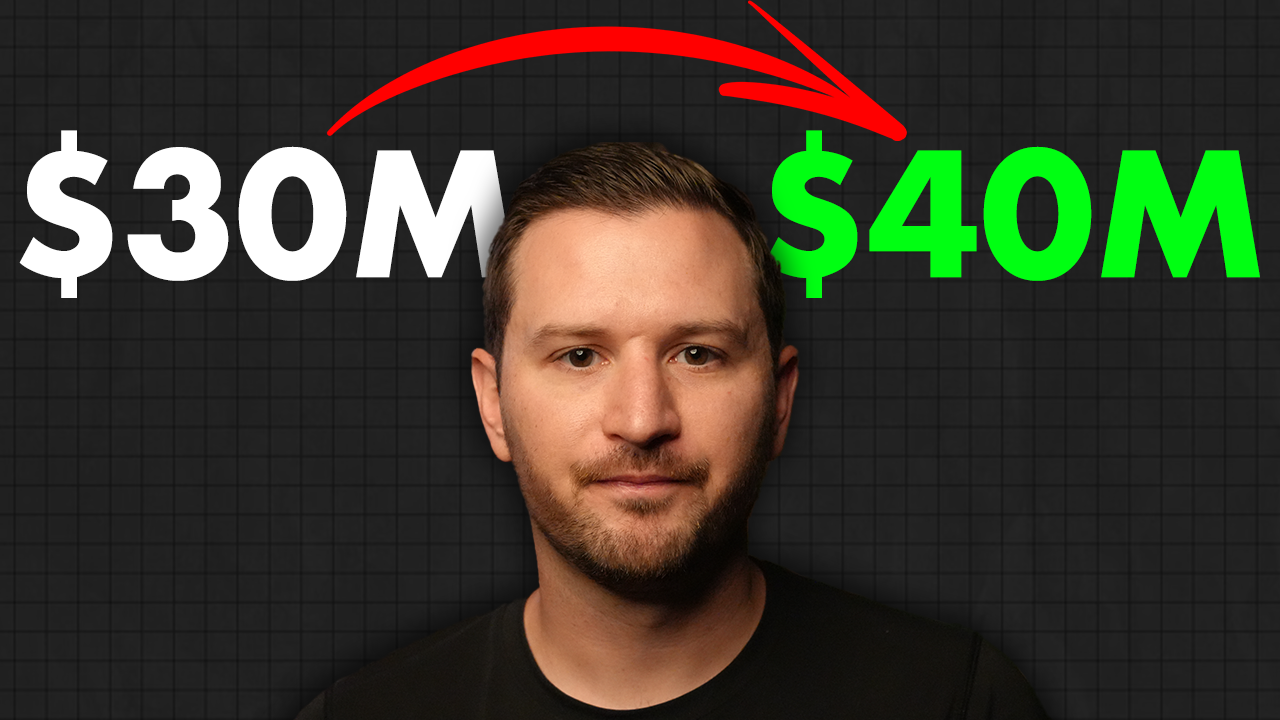
I Bought 3 Home Service Businesses in 90 Days… Here’s What Happened
In this episode of Owned and Operated, John Wilson sits down with co-host Jack Carr (CEO of Rapid HVAC) to break down what actually happens when you aggressively scale through acquisitions.
After buying three businesses in 90 days, John walks through the strategy, the chaos, and the results—from rapid revenue growth to hitting 24% EBITDA and transforming the structure of his business almost overnight.
This isn’t theory. It’s a real-time look at what it takes to scale a home service company through M&A—and when it actually works.
What we cover:
- Why the best companies combine organic growth + acquisitions
- How John added $10–12M in run-rate revenue in one quarter
- The real reason acquisitions worked this time (and broke the business in the past)
- How shared services (marketing, call center, dispatch) drive massive efficiency gains
- Why infrastructure—not deal flow—is the key to scaling acquisitions
If you’re thinking about buying businesses—or wondering when you’re actually ready—this episode is a candid breakdown of what it really takes to scale through M&A.
📞 Sponsored by Quo — The Modern Business Phone for Service Pros
Missed calls mean missed business. Quo (formerly OpenPhone) is the AI-powered phone system that logs calls, creates summaries, and automates follow-ups — keeping your team connected and customers happy.
🎁 Start your 7-day free trial and get 20% off your first six months HERE
💼 Extra Special Thanks to Service Scalers!
We’ve been partnering with Service Scalers to maximize our Local Service Ads (LSAs) and optimize our Google My Business profiles, and the results have been incredible. With hundreds of thousands in sales and 900+ calls in a single week, GMBs are now our top-performing organic lead channel.
Want to learn how Service Scalers can do the same for you?
💼 Shoutout to Quick Staffers LLC
Need trained HVAC & plumbing CSRs at a fraction of the cost? Quick Staffers LLC specializes in placing top-tier global talent with the best SOPs and scripts.
🔥 Get $500 off your first placement here
Host: John Wilson https://x.com/WilsonCompanies
Guest: Jack Carr (Rapid HVAC) https://x.com/thehvacjack
#HomeServices #HVAC #Plumbing #BusinessAcquisition #Entrepreneurship #ServiceBusiness
More Ways To Connect with O&O
John Wilson, CEO of Wilson Companies
Jack Carr, CEO of Rapid HVAC
📌 Disclaimer: Some links may include UTM parameters or affiliate relationships, meaning we may earn a commission if you make a purchase. Episodes may feature sponsors, but all opinions expressed are our own.
I bought three businesses in 90 days. Here's what happened. We did 24%, even though last month, purely because we are bringing on these new branches and their overhead just goes away. So you're essentially adding 10 to 12 in run rate of revenue. I'm gonna run an awesome marketing and sales process, and then I'm gonna supercharge that by acquiring functioning businesses elsewhere, and I'm gonna give them my marketing and sales process, which is absolutely wild. Like when an opportunity comes your way that you didn't expect, do you have the ability to say yes? Just being prepared for that timing. When that timing hit, I do think what would probably be a good strategy for most people is welcome back to Owned and Operated. I am your benevolent host, John Wilson. I'm the CEO of Wilson Plumbing, heating, cooling and Electric in Ohio and Indiana. And for funsies, I talk with my friends on the internet about how to build home service businesses, funsies and for funsies. Yeah, for Funsies. This is a serious podcast around here. This is a, this is real business, but hey, this is a home service podcast, so if you're interested in the home service industry. If you are growing inside the home service industry, you are in the right spot. I'm here today. Join, join with me on the show Today is, uh, my co-host, Jack Carr. Jack Carr is the CEO of Rapid. Plumbing, heating and cooling down in Nashville, Tennessee. We're talking buying businesses, dude. Yeah. That, that's what's on the agenda for today, which is fun. 'cause I run the Jack Acquisitions podcast. I love talking about buying businesses. Yeah. Yeah. You've, you've got some, you've had some good stuff come out. I bought three businesses in 90 days. Here's what happened. Good title. Yeah. So if you've been listening to the show for any amount of time, you know a few things. One. John's an idiot. Like we know it, everybody knows it. The thousands of people, you know. Mm-hmm. We're on the same page. John's an idiot. Two. Jack is the voice of reason. Jack tries to tame most things I say. Um, and 3 20 26 was our big multi-location year. Yep. So this are the three things that everybody knows if you've been listening to this show for a while. So, a little bit of background on, uh, Wilson third generation home service company, Akron, Ohio. Uh, we bought, uh, I think 12 acquisitions over the years. I bought it 10 years ago. So acquisitions have been a big part of, of what we've done. And, um, we've also grown a ton organically. Like last year we finished in the high twenties of revenue, and of that high twenties, like 70% of it was organic. Revenue and 30% of it was revenue that we acquired. So we feel pretty comfortable playing on both sides. And I'm, I have this like high conviction that best in class companies have a very strong organic and inorganic, uh, growth strategy. So just to break that down, organic is like marketing better process processes, marketing. Yeah. We're gonna go market, we're gonna go sales, what's our marketing process, what's our sales process? And you do need that to be a good business. Like you can't. Like you can be too lopsided on either, either side of this, but like, Hey, are we running a good operational business that is growing organically without m and a? Like that's organic growth. Inorganic growth is mergers and acquisitions, so we're gonna go buy some shit. And, uh, the, the best in class companies do both. Like, I'm gonna run an awesome marketing and sales process and then I'm gonna supercharge that by acquiring functioning businesses elsewhere. And I'm gonna give them my marketing and sales process so that way they can, you know, grow organically a lot. So I have a conviction that best in class companies can do both. And I know people that. Only play on one side of that. Like, Hey, all we do is deals and hey, all we do is. Um, growing organically, and I think that they're very lopsided and, uh, weak organizations. To be blunt, weak. Weak is a strong word. You're weak. You're weak. Uh, but, but yeah. And it's also, I mean, you, you guys used it as a great tool for also, uh. Integration into other trades. Right. So like you bought mm-hmm. Uh, electrical business. You bought the totally, the, uh, restoration business. So they're all like it. A lot of it, yeah. Was growth into different, so maybe the reason to acquire Yeah. Is you can, you can acquire into new trades. So service expansion mm-hmm. Or geographic expansion. Like, Hey, I want to, um, I want, I, there's a city 45 minutes away from me. I want to go acquire something in that city, so that way I have a presence there. I can sell and market to their customers. Um, or like, Hey, here's an electrical contractor. I want to add electric. So e either one is great. We've done both. Yeah. And, and early on, it seems like the, not to say it's better, but one of the easier levers to pull to grow is to acquire into another vertical, because startup of a vertical is extremely difficult. Totally. Totally. Um, well, I mean the labor, the like. The hiring talent, the driving, the sales process, just what's all the, what's all the stuff you don't know? About this other new vertical, like yeah, just go, you can just go acquire the team with that knowledge and inventory and process and price book and just all the stuff you're gonna have to figure out. And so now that you've, you've kind of done that 'cause you came into these three acquisitions at a point where you've already, you're running the big three, maybe a fourth if you include, uh, restoration. Um, yeah. So were obviously these three probably weren't, uh, new vertical oriented. Yeah. Are, are you focusing yours, your future on more geographical orientation and why? Most businesses don't lose jobs because they're bad. They lose jobs because they're busy, and a customer could not get a quick answer, one missed call, one forgotten follow-up, and the job goes somewhere else. Quo helps solve that by putting every customer conversation, calls, texts, voicemails. Into one shared thread that your whole team can see. So whoever picks up next. Already knows what's going on. There's no scrambling for context. No more botched communication and nothing gets dropped quo. Helps keep your team aligned, helps you respond faster and makes the customer experience feel way more consistent. If you want cleaner communication and fewer lost leads, check out quo@qo.com. Slash own, you'll get a free seven day trial plus 20% off your first six months. So yeah, so we're, um, what we're looking for in acquisitions right now is we want more service density. Uh, and so what's our, we're trying to acquire a higher gross margin. Service basically. So that's how we're currently thinking about it. Yeah. Um, so, hey, can I go buy a plumbing company that's doing a 60% gross margin and can I use that to raise my overall gross margin by two points? Um, so we're trying to hire, or like we're trying to acquire for like density inside services we already offer, and we're also trying to acquire new geographies. Um, a big part of the last two years, you know, I'm gonna harken this back to 2024. Like, we've got some really early podcasts, you and me, and like I made these declarations of like, we're not gonna have any unprofitable months. Uh, which like, we've literally done actually for like 26 straight months. Like we actually haven't had numbers unprofitable month, which is kind of fucking awesome. Um. But, uh, so hey, we're not gonna have any unprofitable months. We're in infrastructure mode. We're build, you know, a lot of those sort of earlier shows where we're building our HR team, we're building our marketing discipline, we're building accounting. So if you're trying to figure out, and you're a company that's like growing from that like five to 15 million range, I would recommend some early 20, 24 episodes because like that is the live playbook of how to do it. Yeah. Um. Yeah, I, some, some days I think back to the like incredible resource that we put on just on the internet. Like, like I started podcasting when we were $3 million in revenue and we'll do like 40 this year. In three states. Mm-hmm. Like, yeah, I think that you were just above 10 when we started, which is wild. Yeah. Um, yeah. And I was crazy sub two. Yeah. It's crazy. Yeah. So, but, but back to these acquisitions. Yeah. So 24 and 25, we built this platform where, hey, our accounting team is locked and loaded. Like if I add 10 million of revenue tomorrow, I will not have to add more people to my accounting team. Mm-hmm. I, I, maybe another call taker or two. Um, not really anybody in hr, no one in marketing. Like that's the power of scale where we outgrew our overhead. Like our overhead year, year over year is less this year than it was last year. And last year it was less last year than it was in 24. So our overhead over a two year time period, shrinking while revenue's up by, you know, $15 million. Yeah, which is interesting and, and I mean, we'll, we'll dig into this later, but I'm, I'm very curious because like why, why now? Why now versus before, do you feel like you've gotten to a point in your processes where you, you can realistically add more? Revenue and, and the processes behind it are all set so that you're not, you're not, uh, essentially destroying everything and having to rebuild because at at smaller scale, it feels like a lot of time when you do these acquisitions, like you just break every process versus now you have the accounting team, you have the Yeah. The centralization teams that are able to help make these transitions a lot more smooth. I generally, I think that you can outgrow overhead and I, I at least is like a percentage of growth year over year. Um, so if I'm, if you're watching on YouTube, I'm like doing hand motions. So if you're listening to Spotify, you're, you're robbing yourself of something that's funny. So, but like if our revenue growth is like 15% year over year and our overhead growth is 4% year over year. We outgrew our overhead, right? Like we are, we are becoming more efficient with our fixed cost of the business. And our like thesis was, Hey, we've outgrown our overhead. I want to diversify the business. Into new geographies with, and just like give them our resources so that they can grow. And I don't think I will have to add infrastructure to do that. I think that I can go add $4 million over here, $6 million over here, 2 million over here, and I will be able to reduce their material cost by 20 to 30%. I'll be able to eliminate their software cost. I'll be able to eliminate their, like, share like their, uh, services cost. Mm-hmm. Whether it's, uh, consultants or agencies or whatever. Like we'll just use our internal team or our agencies and we will be able to take a business that is a 40% overhead business or 35% overhead business and we will be able to take that to 15 to 20% in branch overhead, which is absolutely wild. That's so crazy. But like the, the, honestly, the wild part is we like beat that. Like I, maybe we'll pull up a p and l, but like we beat it, guided by a lot. Uh, so we're, um, yeah, we surpassed that pretty, pretty hard, which is awesome. Uh, so, so the why is we've been building towards this forever because I th. Just, you know, but one of the best benefits of this podcast is, uh, we can learn, like, we can talk to all these people and we can talk to these smart operators that are running multi-location, and, and we can just ask them anything you want and. Hey, what, what's it like? You know, Chad Peterman is still one of my like favorite episodes where he talks about this exact thing. Yeah. He goes deep into it, and this was 18 months ago and it was, yeah, we want branches at five to 10 million. 'cause once you go above that, you have to add infrastructure. Exactly. 10 million tops. Totally received. He was, and I remember specifically he said it's a warehouse guy and it's a general manager. Yeah. And then technicians. Yep. Like that was his playbook. So our, our org chart is sales manager, admin techs. Uh, so very similar. Yeah, sense. And, um, but yeah, he said the same thing, like, Hey, accounting is shared, HR shared marketing, shared call center, shared dispatch is shared like it's all shared infrastructure. So really all you're doing is bringing on like three to 20 techs over here that you will just benefit from the scale that you've already built. So this is when, you know, when you start seeing like giant companies running at 25 to 30% ebitda. Like this is how they're doing it. Like we, we did 24% EBITDA last month, which is crazy. That is crazy. Yeah. 'cause we've historically been like a 14 to 17. It was like a seven point jump, purely because we were bringing on these new branches and their overhead just goes away. So that's the why we've been building towards this for years. This was the strategy. 2026. I've said a bunch on this show, like it was going to be our multi-location year. The only thing that we did not know is the goal. We have this plan and it was like, it's called our value creation plan. And it's like, Hey, we're gonna go from three and a half of EBITDA to eight, eight or seven in 2026 and this is how we're gonna do it. We're gonna buy two companies and we're gonna there. There's seven pillars inside this plan. And like the first pillar is like, we're gonna acquire two companies, maybe three. And like we, we acquired three January here I come in q1. Boom. Yeah. Yeah. Which, which was kind of funny. Um, but opportunities just kept coming up and we kept saying yes and, um. I mean it. Yeah. So, so, so that's the why we've been building towards this for years. So you're saying opportunities, but like, so what, what made these opportunities, uh, like let's get into some, some actual nitty gritty here. Like, what happened and why did you Yeah. Deviate from that plan? Like how good was this opportunity? Have you ever seen? Um, yes, man. Yeah, yeah, yeah. A long time ago. What is it? Uh, he just says yes to everything. Jim Carey just says yes to everything. Yeah, there's this, uh, yes Man's a funny movie and I think it's from like the nineties or early two thousands. But this idea is like, he goes to this seminar or something like that, I don't even remember. And it's like, just say yes to everything. So he says yes to everything and it totally changes his life, like amazingly for the first 90 days. And then really bad 'cause the government thinks he's a terrorist or something. And then after that it's like amazing again. And, um, I kind of think about my career as like the yes man, as like when an opportunity comes your way that you didn't expect, do you have the ability to say yes? Like, do you, do you have the bandwidth? Do you have the capital? Do you have the balance sheet? Do you have the infrastructure? Like if someone walked into your business tomorrow and said, Hey, I'd like to sell you my company. Do you have the ability to say yes to that luck? Because a lot of this is, um, a lot of this is luck. A lot of like, yes, some of it is strategic and like we were thoughtful and we did all the right stuff, but when the opportunities came to us, yeah, like that part's kinda luck, you know, like someone else's timing was not my strategy. Um, yeah. It's just being prepared for that timing when that timing went. Totally, totally. So, you know, on the nitty of like what happened, so we had, um. One we've been working on for a while, and that, that announcement goes out pretty soon, so that should be fun. Uh, the other two were really quick. The sellers reached out to me. Um, one of 'em I had been talking to for about a year. Um, he's attended our Breaking five events. He listens to the show re, you know, so like he good relationship with us, understands what we're about. And, um. He reached out and like, we gave him a value like a year ago, and it wasn't quite what he was looking for. So he went back to work. And then, um, in November he said, Hey, I, I think I'm ready. Uh, and I said, I'm ready. Like I'm a, I'm the, I'm Jim Carrey, right? Like I'm gonna say yes. Like, let's fucking do that. We'll figure this out. Let's get this done in 25 days. Yeah. 'cause I wanna get it done. Mm-hmm. By the end of the year. And we did it. We, I mean, it was a lot of work, but we got it done in 25 days. Um, but, but it was, it was someone that we had, had established a relationship. We had talked for a while, uh, and so was the second one. So the second one, um, was an owner. He had a little bit of health stuff going on and he reached out to me and, and it was a similar scenario where, uh, I was actually like, I wasn't even closed with the first one. And it's like, do I have the capacity to do this? Like, mm-hmm. It's in a different city. Um, does my team have the capacity? Do I personally have the bandwidth? And I, I literally thought of the yes man movie and just like this, how many, how many people have the privilege of being reached out to by a friend and saying like, Hey, can I sell you my company? And I, you know, it's sort of like we, where there's great power, there's great responsibility. Like, I felt like, hey, like, hey, I'm, I'm getting this luck. I need to do something about it. I need to go do it. Like, like mm-hmm. Why not? Yeah, this is exactly, so I said yes and uh, we closed that in about a month and then the third one closed at the end of Mar at the end of March. We're actually filming this like a week or 10 days prior to closing. So that's kind of funny. Been working on that one for a while. So similar friend worked through it for a long time, presented value, and we were able to like. Come together in a way that that worked for everybody. I think it was, I put myself out there on the internet with a podcast. You put yourself out there on the internet with a podcast. Uh, like all three of these, uh, people are like inside the sort of owned and operated system. They've all been to events or workshops or podcasts or whatever. Um. And so I put myself out there. I establish relationships with people and then, uh, one day, like they'll be ready and I like will be ready to execute whenever that, whenever that day is. Yeah. And that totally makes sense. And so like what around the range in sizing, what, what size and and industries were these in? Uh, plumbing and hvac? Um, the first one in January was plumbing only. The one in February was plumbing, hvac. And the one in March is plumbing, hvac, electric and, and sizing. Smallest one was like a million and a half when we bought it, and the next one was uh, three and a half to four or somewhere in there. And uh, the final one is six. And dude, that's awesome. That's crazy. So you're essentially adding in the first quarter of 2026 about. 10 to 12 in run rate of revenue, and then you're hitting those EBITDA margins at 20%. Like that is so wild. No, it's, it's, it's, it's absolutely, it's absolutely ridiculous. Well, well the business. The business, yeah. So the business roughly grew 50% in Q1. Yeah. Like mm-hmm. Which is a lot. And, um. This, like, the structure of the business changed a lot. So, so the whole, the premise of the show is I bought three businesses in 90 days. Here's what happened. Um, so what happened was we went from high twenties to around 40 of revenue. It's actually a little bit hard to, to like nail that down. Exactly because the two businesses that we've acquired so far, um, like one of them is up 50%, like immediately up 50%. We walked in day one, we raised prices. We gave. Team members raises, we, uh, spent a lot more money on leads. Uh, so the, so that company went from three or four techs to, they have seven today, so they're up 50%, but they'll probably double, uh, here, here soon. Yeah. So it was a million half, but we're hoping for four. Um, the, the next one we're hoping to add around a million in service revenue. And the third one, dunno yet, but it's. There's a lot of, uh, so like 40 ish, right? Like, it could be 39, it could be 44 depending on the organic growth in these businesses that we just haven't owned that long yet. Yeah, no, that, that's pretty wild. I mean, there's a lot of question marks, but you know, I think that it was accurate 'cause as I was working with you through these, these at least first two acquisitions. Yeah. Like you did hit the Jim Carrey terrorist stage at one point of like, it was good and then like, oh, it's hard. Yeah. Yeah. I mean it, are you guys still sitting in that range or is it, is it kind of evened out? Like has it, is your rough 30 out? So January was crazy. Yeah, Jan, January was a lot. Um, you know, so it, I would say early, Ja, all of January was a lot, but, um, we closed on January 1st, January 2nd or third or something like that. I went out of town to visit the company that we're acquiring in March. And January 5th, we like began heavy due diligence for the other company. So like, there was a lot going on in early January. Um, and then we had to go to and from that new branch. Yeah. Uh, it's in Indiana. So, and just like bringing on the team, like meeting 'em and, you know, the managers and like talking to people and starting to drive our integration playbook. Um, it was a lot of work. Uh, and I would say all the way through February, it calmed down a little bit in February. And the results in February were, uh, like genuinely insane. Like I, I think we've acquired a bunch of businesses over the years. We bought three businesses back in 2021. I've talked about that so much on the show. And it like, kind of broke the, kind of broke the business for like two years exactly. But yeah, we went from like 35 employees to 105 and like five months. Um, this year we've added probably 40 employees or something in Q1, but like, it hasn't been that big of a deal. Like 40 is a lot, but 40 is not like. As a percentage of total employees, that's like 25%. So it, it's not like an, you know, we're not gonna break from that, how difficult that January has been versus. You know, like your, your rough time post-sale. It, it, I, I was surprised. I thought you, you were, you would've had a more difficult time on the transitions, but it seemed like, yes, it was difficult and it took your attention for a while, but there's only like a week or two where you were like really out of it. And then just like right back into the normal John, most marketing agencies will show you clicks, impressions, and maybe even traffic, but. None of that really matters if the phone's not ringing, and that's why we partner with Service Scalers. They are built specifically for home service companies and they focus on one thing, which is driving real high quality calls and book jobs. This is a no brainer. They're offering a 60 day money back guarantee on LSA management, Google Business Profile optimization. And website builds. If you don't get more visibility, more calls and better leads, then you don't pay. If you want more book jobs without the marketing headache, click the link below and book a free strategy call with service scalers, who's the team is a really important. Uh, so as you're looking at these deals, your team or acquisition that people you're acquiring Both. Yeah, both. Fair enough. But like, hey, who's boots on the ground? Who's gonna be entrusted to run this organization? Do I have an incumbent leader? Am am I gonna move somebody else from another branch? Um, so I, when you're, when you're looking at like, growth through m, m and A, the leader is important. And anytime we've. Messed up on m and a. It has always been like 10 out of 10 times the leader, like every single time. And that's actually, that's mine too. So, so we just put a ton of energy. Totally. We just put a ton of energy into that. This time we're like, immediately I'm coaching their managers, I'm talking to their managers. Every still I, I talk to both of those managers every day for. 20 to 40 minutes a day. It is a huge investment of my time and energy. Uh, but I think it has to be in order to like drive the results that we're wanting, we immediately put them into leadership trainings. We've had them to our headquarters now for, uh, we're doing monthly full day trainings. It's a day and a half of trainings and a dinner. So we're bringing them in for that. We've integrated them into our daily huddles. Um. We've consolidated call center, we consolidated dispatch. We're in the process of consolidating inside sales. Honestly, it was only really hectic for probably the first couple weeks because it was all on me like the first, yeah, 30 days of each acquisition is really like John. And then post that, I start bringing in team members depending on the need of that business. Like, Hey, this call center's rough. Let's, I'm gonna have Lori come in and like we're gonna consolidate their call center. Lori's amazing. So like she does it really quickly and like does a great job. Uh, or like we grabbed a hold of their marketing like on day three and you were right. I think we argued about that in person once. Um, but you were right. I said that on podcast just recorded, Hey yo, good cry. But yeah. Yeah. But like, so Jesse grabbed that and his team took it over. And so like as stuff peels off of me for things I have to worry about, it gets a lot easier. And, and I think my. My sort of ar discussion or argument around MM and A as a growth strategy is like, where are you at in your business? We've acquired 12 or 13 companies now, and of, of the 12 or 13, these three were the easiest. And some of it was because the acquisitions targets, but some of it was because like our team is just mature. Uh. Back in 2021 when we were like heavy deal, uh, it was similar. It was three deals in a year, three deals in five months. The way that that functionally looked is every single time we closed an acquisition, we had to bring on overhead, big overhead. Like, Hey, I have to go bring on a controller. I have to go build an HR team. I have to, so like we'd get all this ebitda. We'd immediately have to go invest it. Yeah. Into shared office function, your admin teams or leadership or whatever. Um, which in hindsight, I, I probably would've done it differently, but, uh, that's what we did at the time, and I, I, so like, where are you at with your business? I do think what would probably be a good strategy for most people is can you just buy one business a year? Every year, take down a deal, integrate it. Get the muscle into your business, figure out how, what your playbook is, and then when you have your controller and your HR and your call center, like, go freaking nuts. Yeah. Yeah. No, I think it's once the business matures to a point where your internal business is not going to grow from organic. 'cause I, it's, it's ironic. I feel like we had this conversation two years ago or a year and a half ago, and the answer from you was, Jack, we're not buying businesses right now a because of debt. The cost of debt. It was soaring. But B the second thing was like you were saying, Hey, we had bigger opportunity inside the business. Exactly. If I'm gonna go spend a million dollars tomorrow internally, organically, I could grow the business way more than if I spent a million dollars on an acquisition. Yeah. So, um, and, and I think that those facts have changed. I do too over the past year and, and I find it interesting 'cause it's, it's like the maturity of the business has gotten to a point where you're able to really grow. Um, much quicker at a higher EBITDA and a higher margin through acquisitions themselves. Yeah. And so a as, yeah. I mean, our, our EBITDA went from like 14 to 17, or 14 to 18% to like 24 in February. Yeah. And February is like death zone for Ohio. So that was really astonishing. And I don't think we'll do, it was like 23.8. I don't think we'll do 23.8 in March. Uh, it'll probably be like 21, but like still. March is, you know? Mm-hmm. Yeah. That's crazy. So like if we're doing that in shoulder season, what are we doing in peak? Yeah. Ho Yeah, yeah, yeah, yeah, yeah. It stresses me out too. 40%. Yeah, exactly. Um, and then, so like, okay, so super interesting. You're closing your third one in Q1. Yep. Are you gonna try to keep up this, this level of momentum? Like so. It's working. It's working For now. You've had some great opportunities. Um, are you just waiting for more opportunities? Are you actively searching? Like what, what does it look like? I think we're probably gonna do another one, or, or frankly, two, uh, later this year. Um, I, we've built an incomplete map and, uh, like there's enough distance in between these locations. That we want to start connecting. Like they're in totally different cities. Like we're running in four locations in three states right now. And, um, so I wanna start connecting those dots so that we can share a little bit more, uh, infrastructure. And I think, um, like Peterman does a great job of this. Uh, Tommy at a one does a great job of this. We're like the hour away strategy. If you listen to some podcasts from like mid 24 or even the Peterman 1 25 that we did, he talks about it. We talk about this a ton. Yeah. So like our thought is, hey, how do we, how do we connect this? So I have a, I have now a branch that's three hours away from our headquarters. Let's get something in an hour and a half. Let's get something halfway in between, because then we can share, install capacity. Right now we're actually sharing install capacity. So people are going out there. Yeah. Uh, we have some, we have a crew out there this week. Yeah, couple. Now you've talked about centralization of uh, kind of office tasks, but now it sounds like centralization. There is centralization of field, field staff. Yes. Which is kind of wild. A wild thought. So it is, this isn't my idea. I'll just like walk people through what other people are doing. So they're setting up like, um, I don't think hub and spoke is the right word for it, but it it's the one that we're gonna use. So if there's 10 locations and they're all in a chain, what does a location actually need? Does every single location need to be a warehouse? Does every single location need to have parts? Does it need to have restocks? Do you need warehouse guys? Like what do you need for each location? So, uh, some of my peers, the way they're building is, Hey, I'll have 10 locations, but only four of them. Our warehouse locations, which means that's where their installers report to every day. And then the other six are sales locations where, hey, it's a tiny office and four guys go there, or 10 guys go there, or whatever. And maybe they've got some piece parts like of inventory for truck stock, but it is a sales office. Yeah. Um, so that's how ki we're kind of thinking about this is in between. Uh, so we've got a Toledo that's like halfway in between, and we're gonna either buy or start something there. Hopefully buy. Then, we'll, we'll do an install warehouse either in Toledo or in Indiana. Mm-hmm. And then that will like branch. Yeah, that's like Hoffman. So like Hoffman has the Nashville, which branches down to Murphysboro, which is like an hour drive, give or take. Um, 45 minutes. But yeah, sales office in, and this is just like a sales office. Downtown, uh, Murphysboro versus, and guys report to it every day. Oh. I don't know if guys report to it every day, but it's like branded full lettering on the top. Yeah. I would assume that it's more than just Well, the trick is actually guys reporting it to it every day. Yeah. 'cause that's how these other companies, it's not just like a db, not just, it's like a real, it's a real sales office. Like there's a sales manager, there's techs that report to it. It's just interesting 'cause he greenfield it all. But again. The curious part is the acquisition side, like actually buying something that's already doing $2 million in this area, probably already has that shop, probably already has that inventory or some level inventory. I think there's a good argument to both. Yeah, like we're think we're thinking about it because we have just on the very outskirts of our service area. Like we're doing a million, a half to $2 million, but they're an hour and 15 minutes away from our headquarters. Yeah. So it's like, okay, should we just pop up a five tech sales office and go to town? Like I bet that 2 million could become 5 million. Yeah, I bet it's super easy. Or I shouldn't say super easy. I bet it's easier to recruit top techs to that. I think so. That aren't going to have to, Hey, you guys have to drive an hour and a half every day. I think I, I think it's, yeah. Yeah. Way easier. Yeah. So I think where's the talent? Um, so yeah, we will probably keep some version of this momentum up. Mm-hmm. It'll slow down a little bit. Like we have to digest. This was a, like the business grew 50% in 90 days. That is a lot. Uh, we are feeling it not as much as you would expect, um, which is a little. Either alarming or awesome. Uh, it's like the too good to be true feeling. It's like, is something, am I missing something? Yeah. It's like, is something about, am I about to get shot? Um, but yeah, it, it's, uh, it's going really well. It's gone really well, which is exciting. But we've also been working and preparing for this for two years. Yeah. Uh, and we made sure that we were set up to do this. Like, well, uh, like, Hey, we invested in Sage Intacct. We invested in all the stuff we needed for service like Sage Intacct, like we're getting. A new business can flow into that on like the second day of ownership. Like, it, it's kind of awesome versus QuickBooks. Mm-hmm. You know, like QuickBooks used to be like a real process. And, and so like you did mention like, hey, we're, you're looking at two more this year. What, what? Mm-hmm. If somebody wants to be your opportunity, if they're ready to go. Oh, yeah. Yeah. And they're like kind of localized to the, what, what is it called? The Ohio Basin Midwest. Like where, where, where should somebody wait? We're Midwest, like reach out to, we're looking for Midwest. So if you're Indiana, maybe Illinois. Um, Michigan for sure. Uh, west side of Pennsylvania, Kentucky. Um. Tennessee, what else is down there? West Virginia, maybe. I don't know if West Virginia's probably like East Coast. Mm-hmm. But yeah, that's sort of like the zone that we're looking in. Um, there's some western New York that, like Buffalo is out here, uh, that like we could potentially get into. Um, but that's, that's sort of where we're looking. And the reason that we're looking for that is when you start taking down acquisitions in new markets, you to drive like the maximum gain, um, you want to be able to consolidate. Every line item on that p and l, like how can you positively impact every single line item on the p and l? How do you reduce your material expenses? And this is the hard one for outside of region or outside of state. You, you now have to like, Hey, where is, where is my HVAC equipment sold? Is it sold direct? Is it sold through this manufacturer over here? Yeah. Or distributor over here? This distributor over here. So you have to start doing cross distributor agreements, well's, or have centralized distribution, or there's the same distributor. There's cross uh, product, right? Yeah. Like you guys, you're Ferguson train or if you're in different zones, like Indiana Yeah. Is a different zone than Ohio. So we have to now work with two regionals. In order to like combine our account mm-hmm. Drive our pricing, like control our relationship. Um, so that, that's a part of why we're trying to stay in this little basin is we want to con, we wanna be able to drive the maximum gain, which it like from my, I'm sure other people can like, prove this wrong, but for the size of company we're buying, I, I think it's needed. Mm-hmm. You know, if we're buying a $4 million business. Uh, we have to drive the maximum cash out of that business as fast as possible. Like basically prove the thesis. We're self-funding this, right? Like, we're not private equity, so we have to like drive ROI really fast. Um, so if it's a $4 million business and we want a million of like contribution cash coming off of that business to the headquarters. Then what can we do immediately? Well, we can merge our vendors, we can merge our softwares, we can consolidate call centers, we can consolidate dispatch, we can consolidate tech stack, we can combine marketing, and uh, you can do all that really fast. And also like you can travel there. Yeah. Um, yeah, that's a, I mean, that, that one's not, does it, is it a drive or is it a flight? I mean, it, it's still, it probably, it could be a drive, like you and I are only seven hours away, so I mean, like, if you're buying anything in between that, like Kentucky Wise, it's still four hours, three hours. Which, yeah, if you fly, that's less than an hour on a flight. So like by the time you get to the airport and get down there, you're already, you know, airport rental car or you're, you're like at an hour and a half to two hours of already sunk time for flying. Yeah. So what's an extra hour? Yeah. Well, I see, I had friends, I had friends buying in like the 20, 20, 21, 20 22. Mm-hmm. They were buying companies all over the us. And it was a, it was a mess. I mean, it was like anytime you wanted to go visit a branch, it would take, it was a real process. Yeah. Versus like. Can it be an hour flight or is it a four hour flight? 'cause you're going from California to Pennsylvania. Here's an uncomfortable truth. Growth breaks the moment that your team can't keep up. I know that finding good people fast is really hard, especially in home services positions like hr, accounting, marketing call center. It's hard to keep up Quick Staffers helps home service companies build reliable virtual teams that actually understand the trades. Quick staffers provides vetted remote staff who are pre-trained on ServiceTitan and use best in industry SOPs. These are team members ready to integrate into your business on day one. Handling roles like customer service, lead follow up, scheduling support. And more. We're actively hiring an offshore assistant controller right now through quick staffers. I can't recommend quick staffers enough. They've helped us scale our business without a headache. Head over to quick staffers.com for more. You know, that, that, or the, the windshield time, it can be a lot too, especially on these smaller deals if you don't have the team, so. Like it. I mean, I'm not, I don't wanna overstate the fact like we almost bought that business in Jackson two, three years ago. And I remember driving out there and driving back. It was three and a half hours, an hour and a half each way, two hours each way. And like that adds up really quickly when you have to do that two to three times a week. Like, talk about trying to maintain your, your. Full-time business and then merge a secondary one. Totally. So, yeah, it's still a lot. But that's interesting. So, and a lot of people go multi-location way too early. Way too early. Like I've met a lot of people at like $4 million of revenue and they go multi-location. And I think to my point, well, ironically, in 21 you were at location and you went singular location. What? Last year? I was, I we went too early. Yeah. Back in 2023. Yeah. But we went too early and it, it was exactly that thing that I said about 2021. So just if you're thinking about doing this and you're thinking about doing this fast, uh, like replicating what we've done in 21, when we were buying these deals and putting 'em together, every time we closed a deal, we had to bring on overhead. Mm-hmm. We had to bring on a controller, we had to build an HR team, we had to build a marketing team. The reason that this is working so well and it feels less stressful is because that stuff is built and we're just adding revenue. We're like spreading less butter across more bread, right? Like we, we are already there. That's a Bilbo baggins in, you know, I don't remember that I, that quote spread across too much bread. He's describing, he's like a hundred, you know, it's at his birthday, whatever. It's in the fellowship of the ring. You need to re-watch Lord of the Rings, obviously. But um. Yeah. So the reason it works is because we have this infrastructure built. If you didn't have this infrastructure built and we were four or $5 million operation mm-hmm. I think this would be a lot harder. Yeah. Like, I know this would be a lot harder 'cause we lived through this back in 2021. Oh. I wouldn't even try. Like, uh, it's if, well there's a lot of guys out there that are multi-location and they're obviously making it work. It's just, it is harder mm-hmm. Than, so like, well you don't get, I don't want somebody to walk away from this and be like, I'm gonna go do what John did. Yeah. And I'm like, ah. Maybe. Yeah. Yeah. I mean the, the few operators who are smaller that I know that are doing this, they're running essentially two separate businesses. They're no efficiency of scale. Totally. And then that's the only way to do it is the only scale scalable part is your personal time, which you. Put into each business. Yeah. Um, but you're, you still have like fully run shops and so you don't get to see that benefit of the 25% EBITDA and reductions in HR and reductions in here because the shared service is just a, such a smaller piece of that. Yeah. So, I mean, that's awesome. So that, that's next steps. You're, you're buying in the what, sub 5 million? Um, how, yeah. We'll go over, we'll go over it. Um, but like, that's the target. I like Midwest. 5 million in revenue is a great target. Um, more plumbing, the better, more plumbing. Uh, as far as like the, yeah, if you're a hundred percent plumbing, we're gonna talk to you real quick. If you're a hundred percent hvac, we're gonna approach it a lot more hesitantly. Um, and, but yeah, like if you're all plumbing, like. The one we bought was a million and a half of plumbing. It was a great deal. Mm-hmm. And then on, on the other side to it, what, how are these deals being structured? I don't know if you wanna talk about that real quick. I know we're already at 40 minutes. Asset sales. Um, yeah, they're asset sales. Uh, so you, you buy the trucks, maybe the accounts receivable, depending on the deal. Uh, inventory, name, phone number, customer list. Um. Usually it's like a two to three times of earnings, maybe more for like the right deal, maybe less if it's a tough deal. Um, if the deal is like in distress. There's some things you can do. I was gonna ask, are you looking at in, are you looking at distress deals at all? Because I know there's also Yeah, we are looking at distress deals. So what's kind of funny is over the, over our like, you know, career of deals, of the 12 or 13 we've done, nine or 10 of them have been distressed. Yeah. So like. I don't, I don't know. I just attract, scare you. I guess it should. Maybe it should. Uh, but it doesn't. Um, so yeah, so a lot of the deals that we do are distressed deals. So like if you're, if you're like, we've done deals where they're losing a little bit of money, we've been do lose, we've done deals where they're losing a ton of money. Um, but yeah, we're not, we're not bothered by, uh, distressed. I think in the right scenario it can be a perfect fit for what we're doing. Yeah. Um, sometimes we can't touch it, but honestly. Uh, it, the only reason we couldn't touch a deal that's distressed is if it's distressed with like, more than 50% new construction. Mm-hmm. Then it's like, I can't do anything Yeah. About this business. Like, uh, all I'm gonna do is walk in. I'm, we've talked to a few of those owners and it's like all I'm gonna do is walk in and I'm cutting 100% of the new construction outta this business on day one. Uh, 'cause that's the only way to save it. Um, but yeah, no, we, we do distress deals. We've done a ton of them and I honestly, I kinda like them, like, I think it's kind of fun. Yeah. I'm speechless off that, but yeah, I think, I think like turnarounds are just like, it's in your blood or it's not. Yeah. And there is, it's in my blood, dude. I don't know. Mm-hmm. Like, I like it. I, I think it's fun to go in and turn it around. I think it's a race. There's like, it gets your blood pumping. Mm-hmm. It's good. I, I don't, I don't, I don't agree. Me personally. Um. Just because I don't like that stress, like, Hey, we're losing money. Day one. I like to buy businesses where we're making money day one. I mean, you can, you can format it so you can get there pretty quickly. Yeah, I mean that's, that's deal. You can, you can format the deal correctly. You, you're right. Um, anyway, any last comments? Red flags, big things you wanna mention about acquisitions? Nope. Three in three months is awesome. That's crazy, man. Three in three months is crazy. I thought two in, I thought two in a month or two is crazy. That's. That was easily my record for speed. Should people stay after this episode? Should they go and look for the press releases of who, who or what you bought? Is that gonna be a thing? I should do some press releases, but no, we haven't done it. I mean, just for the backlinks alone. Yeah. No, I mean all the big PE companies do it. And then I can see John Wilson doing it too. Yeah. Yeah. Ohio. Ohio man. Yeah, exactly. That's funny. Awesome. Well, thanks everybody for tuning in. If you like to what you heard, make sure you like and sub like and sub.
.png)
.png)

