


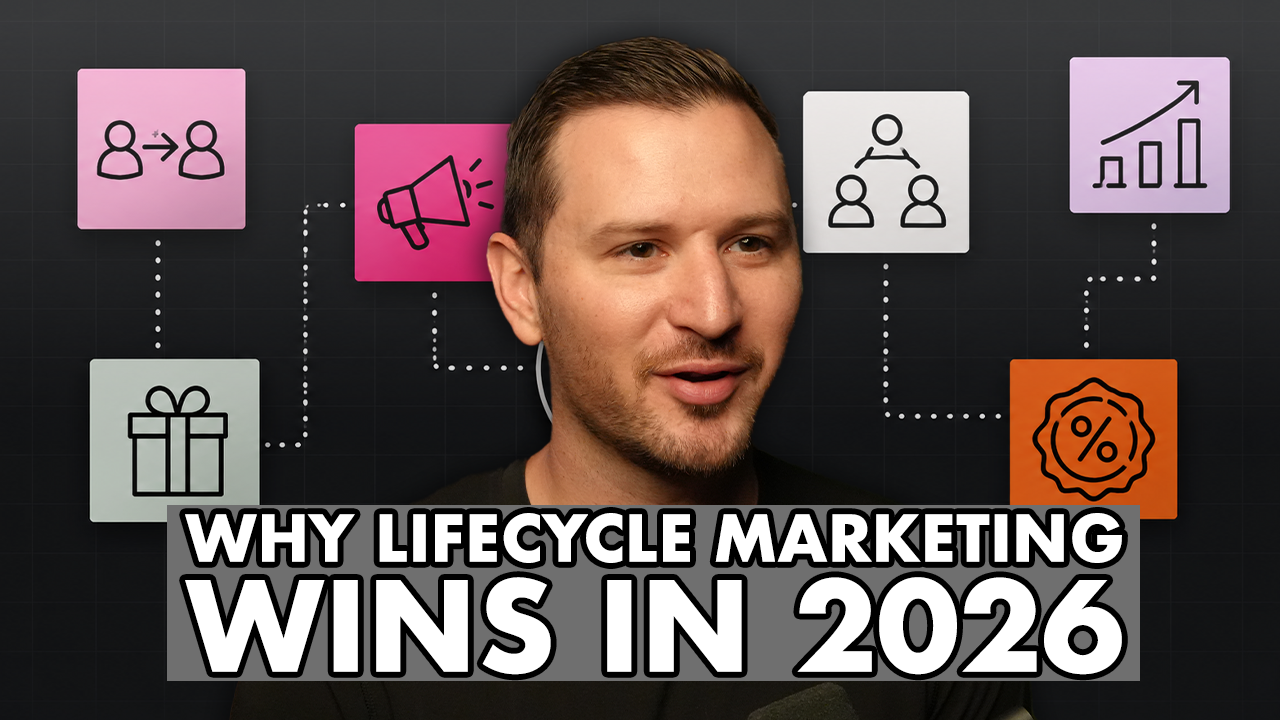
The first step is separating lead generation from customer retention in your mind.
Lead generation gets the customer into your system. Lifecycle marketing increases the value of that customer over the next 1-10 years. Those are two completely different functions.
Most companies spend all their energy chasing the next lead while ignoring the database they already paid to build.
Start with simple lifecycle touchpoints:
- Membership reminders
- Seasonal maintenance campaigns
- Review requests
- Referral requests
- Win-back campaigns
- Outbound calling and texting
- Email follow-up
The goal is staying top of mind consistently enough that the customer thinks about your company before they think about Google.
The next layer is automation.
Manual referral systems break constantly. Leads get lost. Payouts get missed. Customers forget how to refer people. Affiliates stop sending business because nobody follows up.
That is why the operators pulling ahead are automating the entire process:
- Referral tracking
- Referral payouts
- Follow-up sequences
- Review requests
- Customer outreach
- Win-back messaging
The next evolution is personalization.
Sending the same message to every customer is becoming outdated fast. The best companies are changing messaging based on:
- Service history
- Review activity
- Referral behavior
- Membership status
- Job type
- Customer engagement
A customer who leaves a five-star review should immediately enter a referral campaign.
A customer who has not booked service in 18 months should receive win-back messaging.
A customer who completed a large install should receive different communication than someone who booked a repair call.
.png)

.png)

